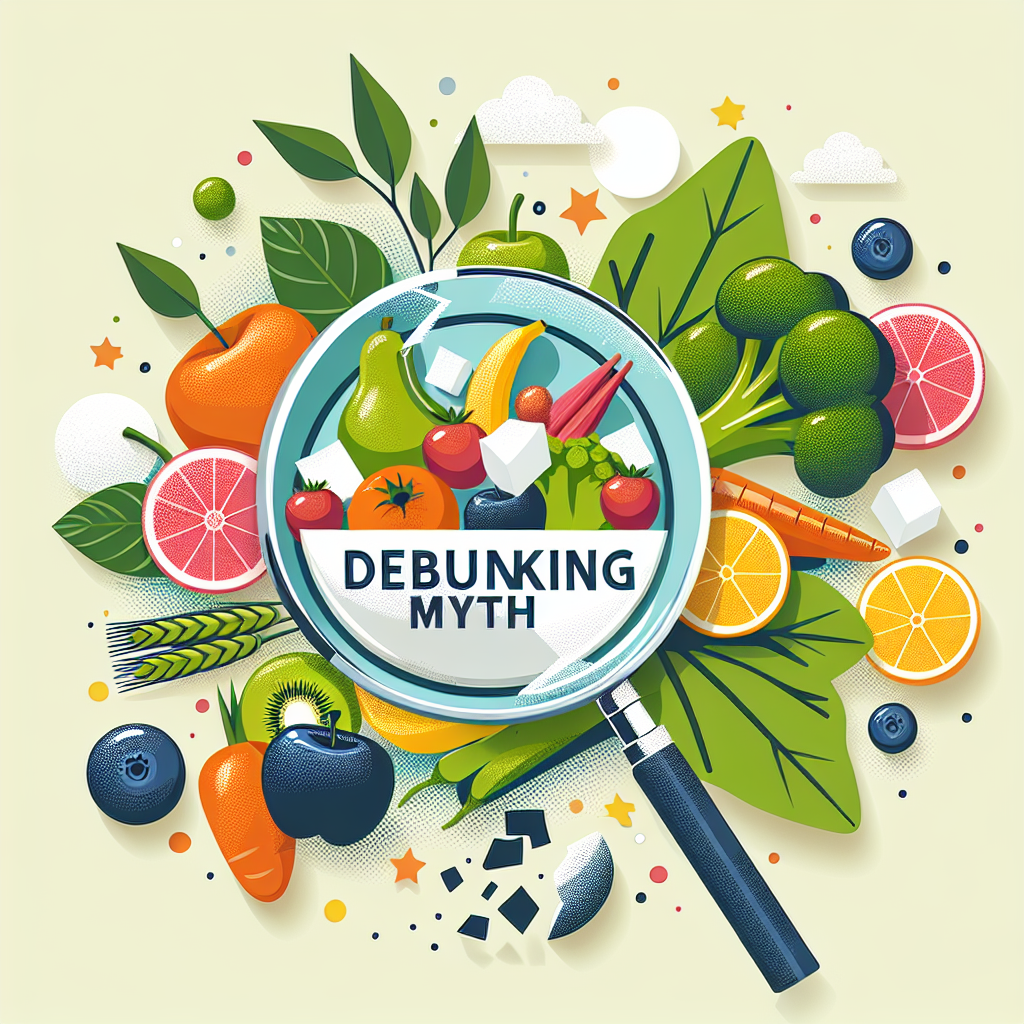
### Debunking Clean Eating Diet Myths Today
“`html
Debunking Clean Eating Diet Myths Today
The concept of “clean eating” has gained significant traction in recent years, becoming a staple term in the lexicon of health and wellness enthusiasts. Promoted as a way to achieve optimal health, the diet emphasizes consuming whole, natural foods while avoiding processed and refined products. However, despite its popularity, clean eating is often surrounded by myths and misconceptions. This article aims to debunk some of these myths, offering a balanced and evidence-based perspective on what clean eating truly entails and how it can be integrated into a healthy lifestyle.
Myth 1: Clean Eating Means Eliminating All Processed Foods
One of the most pervasive myths about clean eating is the idea that it requires completely eliminating all processed foods. This belief stems from the notion that processed foods are inherently unhealthy. However, the term “processed” encompasses a wide range of food items, from minimally processed whole grains and frozen vegetables to highly processed snacks and sugary beverages.
Not all processed foods are created equal. For instance, canned beans, yogurt, and whole-grain bread are processed but still offer nutritional benefits. The key is to distinguish between minimally processed foods, which can be part of a healthy diet, and highly processed items high in added sugars, unhealthy fats, and sodium. Clean eating should focus on choosing nutrient-dense options rather than adhering to an all-or-nothing approach.
Myth 2: Clean Eating Is Expensive
Another common myth is that clean eating is prohibitively expensive, making it accessible only to those with higher incomes. While it’s true that organic and specialty health foods can be costly, clean eating doesn’t necessarily require these products. Many affordable, nutrient-rich foods align with clean eating principles, such as beans, lentils, whole grains, in-season fruits, and vegetables.
Shopping smarter can also help manage costs. Buying in bulk, opting for store brands, and prioritizing seasonal produce can significantly reduce expenses. Additionally, meal planning and cooking at home can minimize food waste and reliance on costly convenience foods. Clean eating can be budget-friendly with a bit of planning and creativity.
Myth 3: Clean Eating Guarantees Weight Loss
Many people adopt clean eating in the hopes of losing weight, but it’s crucial to understand that clean eating alone does not guarantee weight loss. Weight management is a complex interplay of factors, including caloric intake, physical activity, metabolism, and individual health conditions.
Clean eating can support weight loss if it encourages a caloric deficit—consuming fewer calories than the body expends. However, focusing solely on eating “clean” without considering portion sizes or overall caloric intake may not lead to the desired results. Furthermore, clean eating should be viewed as a sustainable lifestyle choice rather than a quick fix for weight loss. Emphasizing overall health and well-being is more beneficial than focusing solely on the scale.
Myth 4: Clean Eating Requires Cutting Out Entire Food Groups
Some proponents of clean eating advocate for eliminating entire food groups, such as dairy, gluten, or grains, based on the belief that they are inherently unhealthy. While some individuals may have specific dietary needs or intolerances that necessitate avoiding certain foods, a one-size-fits-all approach is unnecessary and can even be detrimental.
The healthiest diets are typically balanced and varied, including a wide range of foods to ensure adequate nutrient intake. Cutting out entire food groups without medical necessity can lead to nutrient deficiencies and an overly restrictive diet that is difficult to maintain long-term. Clean eating should focus on moderation and balance rather than exclusion.
Myth 5: Clean Eating Is a Rigid Set of Rules
Clean eating is often misunderstood as a rigid set of rules that must be strictly followed. This perception can lead to an unhealthy relationship with food, characterized by anxiety, guilt, or shame when dietary “rules” are broken. In reality, clean eating is a flexible and individualized approach to nutrition that can be adapted to suit personal preferences, lifestyles, and health needs.
The goal of clean eating is to promote overall health and well-being by choosing whole, nutrient-dense foods most of the time. It allows room for occasional indulgences and recognizes that perfection is neither attainable nor necessary for a healthy diet. Viewing clean eating as a sustainable lifestyle rather than a restrictive regimen can foster a healthier relationship with food.
Myth 6: Clean Eating Is Synonymous with Detox Diets
Detox diets and cleanses often claim to “cleanse” the body of toxins and are sometimes mistakenly associated with clean eating. However, the body is naturally equipped with organs like the liver and kidneys that effectively eliminate toxins without the need for special diets or products.
Furthermore, detox diets can be harmful, promoting nutrient deficiencies and disordered eating patterns. Clean eating does not require extreme measures but rather encourages a balanced intake of whole foods that support the body’s natural detoxification processes. Instead of focusing on unproven detox methods, prioritize a diet rich in fruits, vegetables, lean proteins, and healthy fats to support overall health.
Myth 7: Clean Eating Is Only About Food
While clean eating primarily focuses on food choices, it’s important to recognize that health and wellness extend beyond diet. A holistic approach to health considers physical activity, mental well-being, sleep, and stress management as integral components of a healthy lifestyle.
Clean eating should be seen as one piece of the puzzle, complementing other healthy habits. Regular exercise, adequate sleep, and stress reduction techniques are crucial for maintaining physical and mental health. Integrating these elements into daily life can enhance the benefits of clean eating and contribute to a more comprehensive approach to wellness.
Conclusion
The myths surrounding clean eating often stem from misunderstandings and oversimplifications of what it means to eat healthily. By debunking these myths, we can reframe clean eating as a flexible, inclusive, and sustainable approach to nutrition that prioritizes whole, nutrient-dense foods without unnecessary restrictions.
Ultimately, clean eating should be about nurturing the body with nourishing foods while allowing room for enjoyment and personal preferences. By embracing a balanced and individualized approach, clean eating can be a valuable tool for supporting overall health and well-being in a practical and achievable way.
“`









Add comment